
Navigation on the Danube was discussed by stakeholders

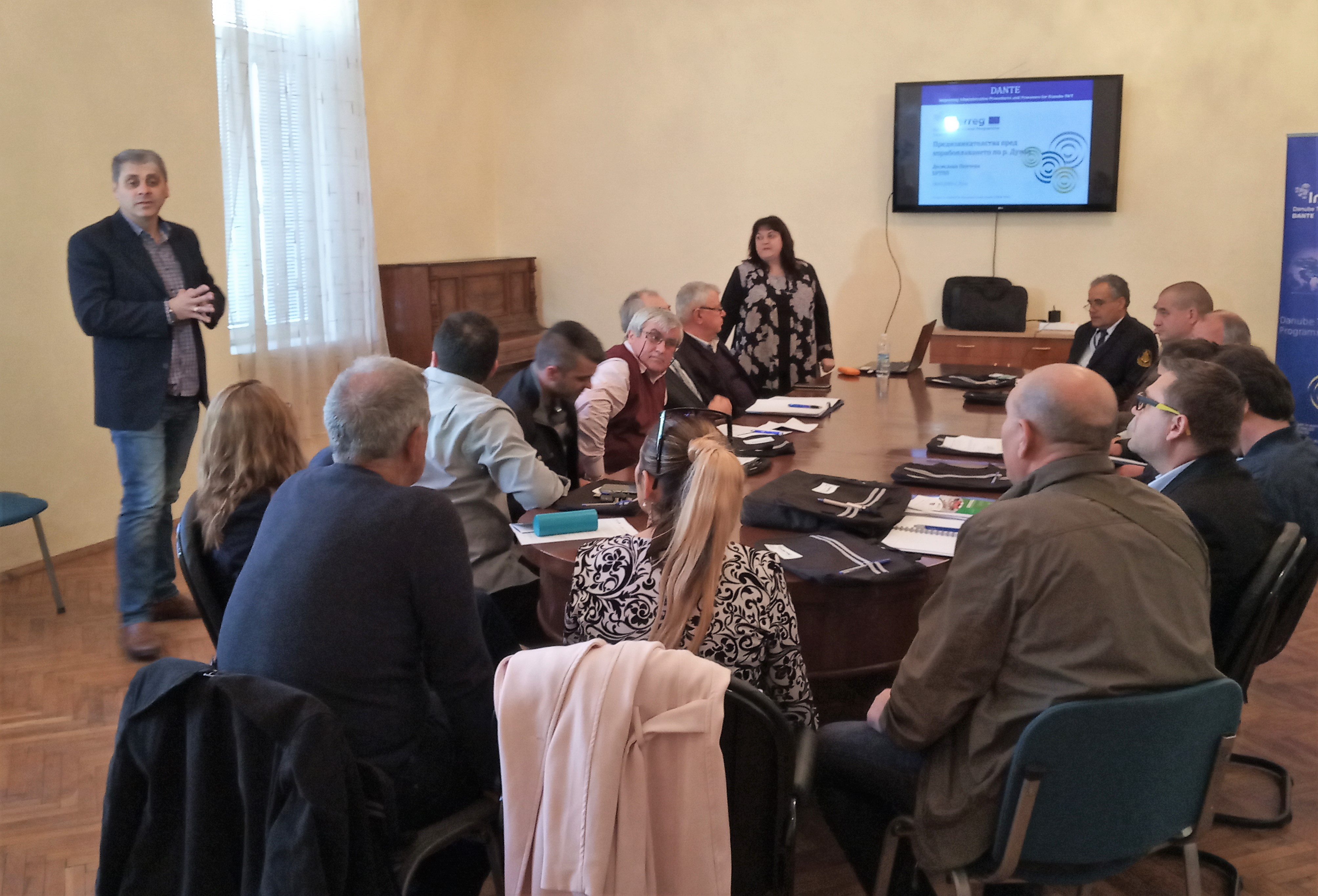 During a meeting, organized by the Bulgarian-Romanian Chamber of Commerce and Industry, actual users of the Danube river and representatives of public regulatory bodies discussed how to improve the navigation on the Bulgarian part of the river. This is the third event, organized under project DANTE – improving the administrative procedures and processes related to the Danube waterway transport and this time it was initiated by the business, who recognized the Chamber as a reliable partner in discussing and solving problems.
The Bulgarian-Romanian Chamber's expert - Desislava Pencheva, presented synthesized data on existing administrative barriers and good practices at national and transnational level in five thematic areas - Border Police, Tax & Customs authorities; Navigation/traffic control authorities; Port authorities/administrations; Waterway and Canal administrations, as well as other authorities.
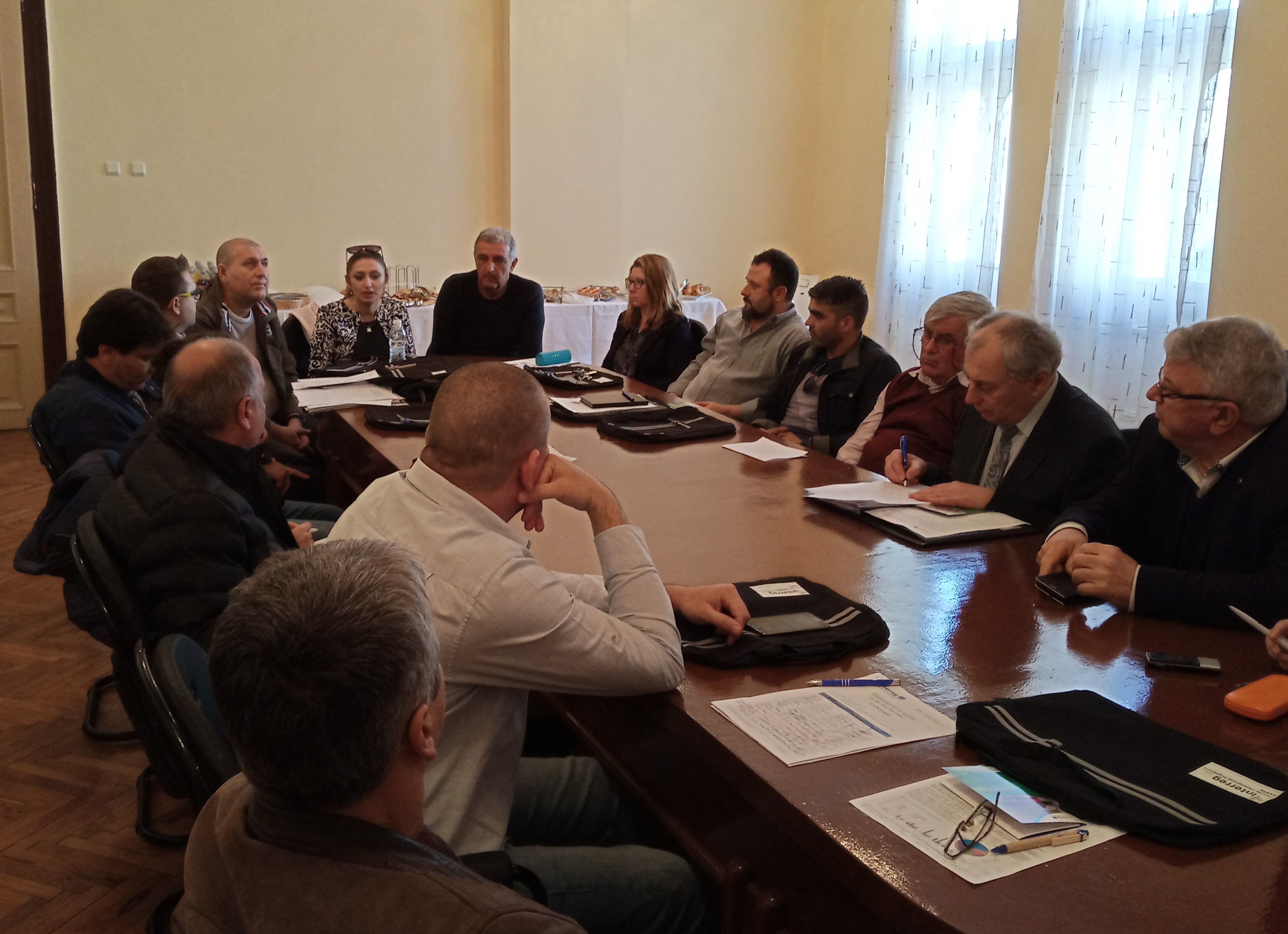 Among the most mentioned administrative barriers are the lack of standardization and common regulations, even on a national level; the large number of documents and time needed to fill them; the deficit of personnel, which leads to long waiting times for the vessels; opaque and non-consistent tax collection policies in the Danube states; inconvenient work schedule of ports and customs, causing delays in shipments; the lack of a common working language along the Danube countries etc.
The sample procedures and processes described in the report can be considered as models for the Strategy and the Danube Region Management Action Plan currently under preparation. The chosen best international practices show, that the cooperation between the states and various electronic solutions can minimize the administrative burden and the digitization has the potential to facilitate and harmonize the processes on the river.
Project GRENDEL, which aims to help ship operators in Europe to modernize their fleet, was also presented during the event. There are approximately 10 000 inland waterway vessels on the continent, which operate along the Rhine countries, and another 3000, which sail on the Danube. The total freight capacity of the Danube fleet amounts to 2.4 million tonnes and Romania is the country with the biggest Danube fleet – it owns 49,7% of the vessels on the river. Among the alternatives of fleet modernization are: usage of low-carbon and alternative fuels; reduction of air pollutant emissions and total energy consumption.
Project DANTE – improving the administrative procedures and processes related to the Danube waterway transport is financed under the Transnational cooperation programme „Danube“ 2014-2020 and is implemented by a wide consortium with 16 main and 12 associated strategic partners, among which are the Danube Commission, Ministry of Transport of Romania, state institutions, associations of shipowners, port authorities, forwarders and carriers, as well as NGOs from 10 different European countries.

